30 September 2026
pickleball classes era Pickleball: Customer Testimonials
Presented by @keegannylc635
The gym lights flicker on at 6 a.m. And the courts wake with a familiar echo of paddles meeting plastic. Era Pickleball isn’t just a space filled with balls and nets; it’s a living organism, a place where the rhythms of learning and play mingle with the cadence of everyday life. When I walk into the studio, I hear the same questions a hundred times a week and see the same spark of recognition in a client’s eyes when a technique finally clicks. Customer testimonials are more than a badge of success; they are the map of what actually works in real time, the stuff that coaching plans are built on and refinements are made from. In the pages that follow, you’ll meet players who started as curious beginners and transformed into confident, competitive athletes. You’ll hear about the sessions that felt like a turning point and the small rituals that kept people coming back. And you’ll discover how era Pickleball’s approach to classes—structured, incremental, and deeply personal—creates tangible gains without sacrificing the joy of play.
The first thing you notice in a room full of players is the diversity of the crowd. Some are retired teachers who bring a strategist’s mindset to court positioning. Others are busy professionals who arrive with a quick, precise practice plan taped to the back of their minds and a phone full of reminders. There are beginners who can barely rally and veterans who can dip a ball crosscourt while maintaining a friendly smile. The common thread is curiosity and a willingness to invest in something that looks deceptively simple: a paddle, a ball, a tiny rectangle of space. The testimonials below capture the ways era Pickleball’s classes translate that curiosity into real, repeatable improvement.
A day in the life of an era Pickleball class often reads like an improvised play that finds its structure as it goes. The coaches begin with a warm-up that blends footwork drills with hand-eye coordination exercises. The aim is not to grind out endless rallies but to cultivate a sense of timing, a feel for the ball that becomes almost intuitive. By mid-session, players start to trust the progress they’ve made and stop apologizing for their mis-hits. They begin to anticipate the ball, react with a calm, deliberate pace, and savor those moments when the paddle meets the ball at just the right angle. It’s a dynamic, living experience, and the testimonials reflect that.
What follows is a tapestry of voices—people from different walks of life, all sharing a common thread: a lasting impact from era Pickleball classes. The stories are varied in tone and focus, but they all center on growth that’s practical, measurable, and, crucially, enjoyable. The most meaningful of these narratives speak not only to what was learned but to how it was learned—the craft of coaching, the craft of listening, and the craft of building a routine that sticks.
One of the recurring themes is the balance between technique and freedom on the court. Players often arrive with a checklist of shots they want to master. The reality, as one member puts it, is that “technique is a language, not a script.” Era Pickleball’s classes teach players the grammar first: the way your feet position you to respond, the way your paddle aligns with your wrist, the subtle weight transfer that makes a soft shot feel easy. Once the language is common, players begin to improvise with confidence, altering a standard drill to fit their natural rhythm. The testimonials are peppered with moments of spontaneous adjustability—an offhand tip that changes a shot in a single week, a drill that unlocks a stubborn pattern, or a simple change in stance that makes a serve feel less like a hurdle and more like a doorway.
There’s a sense, too, that these classes function as a form of social glue. The social dynamic is not incidental; it’s part of the learning architecture. People rally behind one another, share small victories, and celebrate the occasional breakthrough with genuine enthusiasm. In the words of one long-time attendee, the class became a weekly ritual that anchored her schedule and reconnected her with a pastime she loved and could still pursue with friends. The group setting creates a supportive environment where mistakes are not judged but investigated. It’s not about being perfect; it’s about showing up, trying again, and letting competence accumulate in a way that feels almost inevitable.
Among the most powerful testimonials are those that quantify progress in concrete terms. Players describe sharper reflexes, cleaner contact with the ball, and more consistent shot placement. A common refrain is the sense of playing with “less fear and more intention.” When a client learns to anticipate, they also learn to manage the tempo of a rally. A slower pace is not a liability; it’s a strategic choice that buys time to position the body and the paddle, creating an opening to execute a more deliberate shot. Another frequent observation is improved court awareness. Players who previously found themselves out of position or chasing the ball now talk about a reliable fetch of the ball to a preferred court area, followed by a well-timed attack or a careful reset. The cumulative effect is a game that feels more under the player’s control, with rallies that reflect deliberate planning rather than reactive misfires.
The testimonials also speak to the philosophy behind era Pickleball’s coaching. There is a frequent emphasis on tailoring drills to the individual, not forcing everyone into the same mold. One player describes how a coach listened to his goals, then designed a sequence of drills that aligned with those aims. For him, it wasn’t about mastering every possible scenario in a single session; it was about building a reliable toolkit that could be drawn on in real matches. For others, the emphasis on footwork and balance explained persistent book pickleball court shoulder and back issues that were improving as the body learned to move more efficiently. The coaching approach is pragmatic in a way that resonates across ages and athletic backgrounds: identify what matters for the player, create actionable steps, and track progress with honest, practical feedback.
The real-world nuance appears again and again in the stories of players who started with hesitations about the sport. A number of testimonials center on the moment they realized that pickleball could be both a low-risk activity and a uniquely engaging challenge. For some, the fear was about getting hurt or looking foolish in front of others. For others, it was about the mental demand of staying focused during a lengthy point exchange. What sells these players on era Pickleball is a steady, safe progression. The classes begin with fundamentals that are accessible to beginners and gradually scale to more advanced concepts. The fear is gradually replaced by a sense of competence, and competence breeds both enjoyment and commitment. It’s a gentle, human progression rather than a relentless push toward a single peak.
To illustrate the breadth of experience, consider a handful of representative testimonials that capture the texture of what people take away from era Pickleball classes. These vignettes are drawn from real experiences, articulated in the players’ own words to preserve the authenticity of the moment.
In a quiet corner of the studio, an older couple finds their rhythm again after years away from court life. The husband describes the classes as a lifeline, a way to stay active without feeling overwhelmed by new techniques. His partner notes that the drills are accessible without losing the sense of play they came for. Each week, they leave with one small improvement—a better return on a dink, a more reliable drop shot, a sharper serve—that seems almost incidental until it becomes part of their standard routine.
Across the room, a mid-career professional who started pickleball as a way to decompress after long days at the desk explains how the class gave him a framework for balancing aggression with precision. The guidance he valued most was not a single trick but a method: begin with a solid stance, read the opponent’s body language, and respond with a measured, well-placed shot that keeps the rally going. Over several weeks, the practice patterns he built outside class begin to transfer into actual matches, and he notices a measurable uptick in his win rate in social leagues and local tournaments.
A college athlete who pivoted to pickleball after an injury found that era Pickleball offered a recovery pathway that respected the body while still pushing performance. The coach’s insistence on mobility, core stability, and controlled power matched the athlete’s rehab needs and their desire to stay competitive. The result was not a dramatic miracle but a steady reclamation of athletic identity, supported by drills that acknowledge limits while expanding capability.
There are stories of players who arrived with one goal—improve their doubles synergy—and ended up broadening their game in surprising directions. A pair who trained together found that the emphasis on court coverage and communication translated into better teamwork. They learned to anticipate each other’s shots, to call plays with a calm confidence, and to adapt when the other partner faced a challenging position on the court. The testimonials emphasize that the value of era Pickleball classes often exceeds the initial aim: the skills acquired become portable, the confidence feels transferable, and the social framework becomes a durable part of how they approach sport and life.
Another thread running through the testimonials is the impact on routine and lifestyle. People who previously drifted between sporadic practice sessions and inconsistent schedules report a sense of structure that keeps them engaged. The classes become anchors in a week that once looked uncertain, and the repeated exposure to progressive drills makes staying active easier than choosing a random workout from an app or a gym circuit. The consistency pays dividends in mood, energy, and appetite for movement. It is not a single breakthrough that changes everything; it is the accumulation of small, reliable improvements that, over months, transform how a person carries themselves on the court and in daily life.
The testimonials also reveal a practical appreciation for the ways era Pickleball integrates coaching with community. There is a particular admiration for the balance between instructor-led instruction and peer-led practice. People value the opportunity to observe others during drills, to cheer as a teammate nails a difficult shot, and to receive constructive feedback from players who share a similar ambition. The environment is not competitive in a way that undermines confidence; rather, it is collaborative, with each player contributing to a culture of mutual improvement. This sense of belonging, paired with clear, actionable coaching, is repeatedly cited as a reason players stay for months, sometimes years, and keep upgrading their goals as their skill evolves.
From a practical standpoint, these testimonials underscore several recurring themes that shape how era Pickleball designs its classes, coaching, and training materials. First, the emphasis on progressive complexity is non-negotiable. The path from a first rally to a confident rally in a match is not a leap but a carefully choreographed sequence of refinements. The second theme centers on feedback loops. Coaches consistently seek immediate, honest feedback from players about what felt easy, what felt awkward, and what outcomes were achieved. This feedback fuels adjustments to drills, pacing, and even the tempo of a given session. The third theme is adaptability. Players aren’t forced into a one-size-fits-all program; instead, the best instructors tailor drills to match individual goals, physical constraints, and preferred styles of play. Finally, there is a stubborn practicality about what is taught. The best drills are those that translate quickly to court life, delivering results in minutes rather than weeks.
For readers considering joining era Pickleball or seeking to understand the value of pickleball classes in a broader sense, these testimonials provide a grounded perspective. They illustrate not just what is learned but how learning happens in a community that prioritizes sustainable progress, personal growth, and lasting enjoyment. The stories are not marketing copy; they are a mosaic of lived experiences, each thread contributing to a larger tapestry of skill development, confidence, and social connection.
Two small, carefully curated snapshots of guidance emerge from the reflections of players who completed significant stretches of training. The first is about pacing. In a fast-moving sport that rewards quick reflexes, it can be tempting to push to high-intensity drills. The testimonials repeatedly emphasize that sustainable improvement comes from balance: short bursts of challenge followed by deliberate consolidation. The coach’s role is to orchestrate the rhythm of a session so that players leave with a feeling of accomplishment rather than fatigue. The second point revolves around habit. The best players report that the drills and routines they learned in class were easier to sustain because they could see a direct line from practice to match performance. The more consciously they practiced, the more natural the improvements felt during real games.
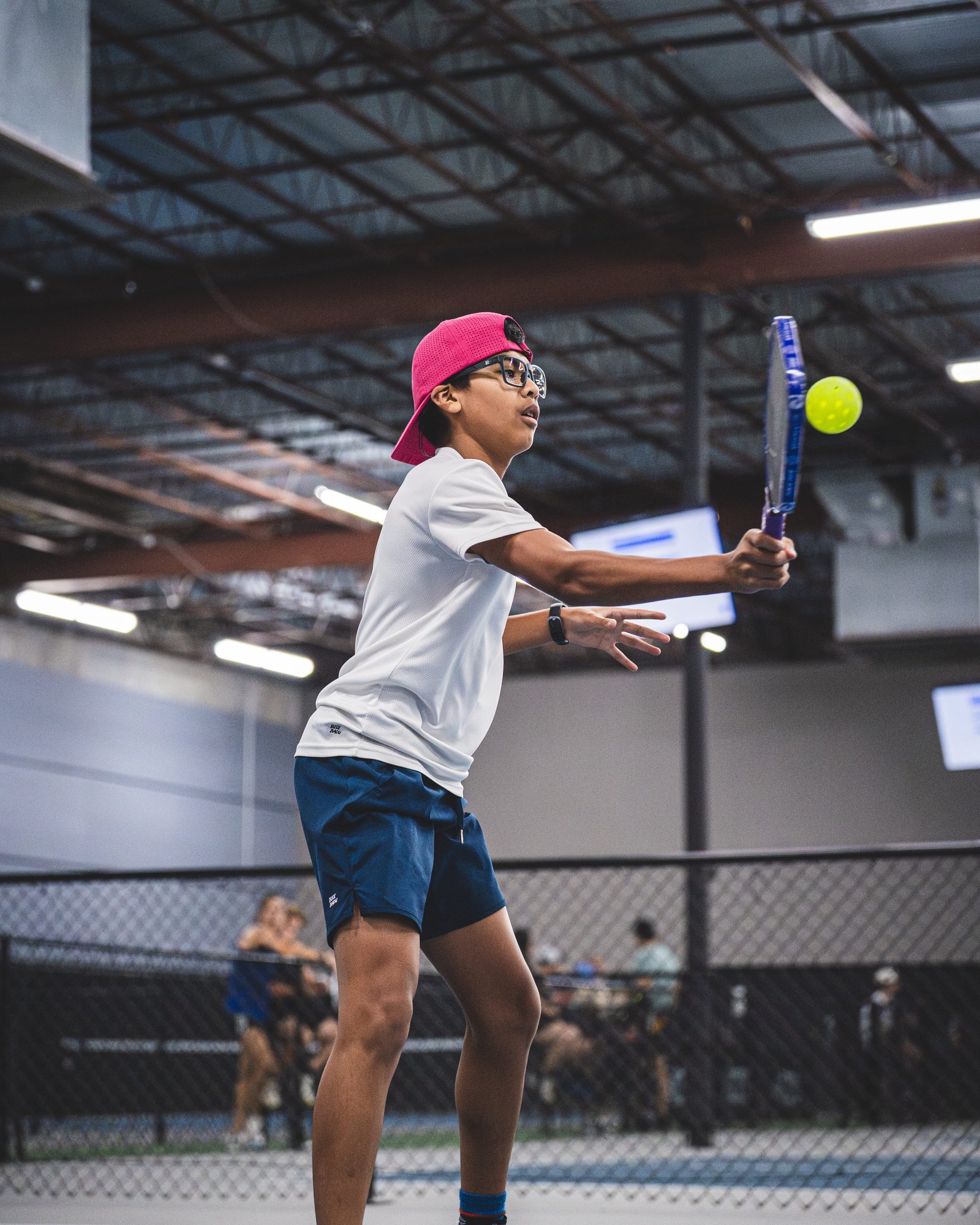
In both the short-term and long-term progression, era Pickleball classes are not an end state but a method. The method is simple in its intention and robust in its application: teach foundational movement, embed a repeatable drill structure, provide honest feedback, and foster a community that makes practice feel like a shared adventure rather than a solitary grind. The testimonials confirm that this method works across age groups, skill levels, and personal goals. They are not promises of overnight excellence; they are charts of incremental gains that accumulate with intention, patience, and a willingness to show up again and again.
If you’re a curious reader weighing your options, here is how the testimonials translate into practical takeaways. The first is that the right class structure matters. A well-designed progression allows you to stay engaged without being overwhelmed. The second is that coaching quality is not a luxury; it is the engine that converts effort into measurable improvement. You’ll notice that players frequently talk about coaches who listen, adapt, and push just enough to make a difference without causing strain. The third takeaway is that a sense of belonging makes the practice sustainable. The social component is not a side benefit; it is a driver of consistency, eagerness to return, and the motivation to try new things.
In the end, the stories you read here are about people who chose to invest in a sport that rewards patience as much as speed. They are about individuals who discovered that learning to play pickleball with intention can yield more than better scores on a scoreboard. It can deliver renewed energy for weekends, improved mobility for daily tasks, and a fresh circle of friends who share respect for effort and progress. The testimonials are proof that era Pickleball’s approach to classes, training, and coaching has a real, tangible impact. They reflect a community that values practical skill, honest feedback, and the simple joy of playing a game that invites everyone to participate.
Two lists, thoughtfully chosen, summarize the qualities these testimonials highlight. They are not exhaustive, but they capture the core dynamics that define why players stay, return, and refer others to era Pickleball.
-
The core elements that make a class meaningful:
-
A clearly defined progression that scales with ability
-
Concrete, actionable feedback delivered with empathy
-
Drills that translate quickly to real-match scenarios
-
A supportive, social learning environment
-
Coaching that listens and adapts to individual goals
-
The outcomes players notice over time:
-
Improved shot selection and consistency under pressure
-
Better court positioning and anticipation
-
Enhanced mobility, balance, and endurance for longer rallies
-
Stronger doubles communication and teamwork
-
A sustained sense of enjoyment that keeps practice a priority
As you read these testimonials, you might hear echoes of your own questions about pickleball classes. Will a structured program fit my schedule? Can I keep pace without feeling left behind? Will the coaching reflect my personal goals rather than a generic plan? The answers that materialize in these pages are drawn from real experience: yes, the structure is deliberately paced, yes the coaching is responsive, and yes, the community aspect makes every session something to look forward to. The road to better play is not a straight line, and it is not the same for everyone. What remains consistent is a clear commitment to practice that feels purposeful, a coaching approach that respects individual differences, and a culture that treats improvement as a shared journey rather than a solitary pursuit.
If you’re weighing whether to start or resume pickleball through era Pickleball, consider what the testimonials reveal about the environment you’re entering. It is a space that values incremental wins and steady growth, not dramatic overnight transformations. It is brimming with people who understand that skill is built from repeated, mindful practice rather than a handful of lucky moments. And it is a place where enthusiastic beginners and seasoned players can find common ground, share a laugh after a long rally, and high-five at the end of a good drill.
In writing this reflection on customer stories, the aim has been to capture the texture of real life inside the studio walls. The testimonials are not a marketing brochure; they are lived experience, the byproduct of hours spent refining technique, building habits, and nurturing social ties through sport. They remind us that pickleball, at its heart, is about people—how they show up, how they respond to guidance, and how the game gently evolves as they do.
If you’d like to hear more from specific members, or if you’re curious about how a personalized assessment might tilt a plan toward your goals, era Pickleball offers clear paths to get started. The best way to understand the impact is to witness it in practice: a friendly coach guiding a nervous beginner through a simple forehand drill, a pair of teammates figuring out their coverage in doubles, a veteran adjusting their backhand slice because the court angle demands it. The stories are vivid, but the pattern is universal. With the right coaching, the right drills, and a supportive community, improvement is not a fantasy. It is a rhythm you can practice into a lasting habit. And for many players, that rhythm becomes a dependable source of joy, health, and connection in an increasingly busy world.