30 September 2026
Era Pickleball: Scheduling Your First pickleball classes
Presented by @keegannylc635
The first time I stood in a gym with a clipboard, a stack of handouts, and a dozen anxious faces waiting to learn something new, I understood why scheduling matters more than the smoothest drill or the sharpest ping of a pickleball against a paddle. When you run Era Pickleball, you aren’t just pairing players with drills. You’re shaping an experience that invites beginners to feel competent, curious players to deepen their craft, and families to see a future in the sport. The scheduling decision is not a sidebar; it is the spine of your program.
This article is written from several seasons of trial and adjustment. It captures the practical decisions, the quiet compromises, and the small discoveries that turn a plan into a reliable routine. If you are considering launching pickleball classes under the Era Pickleball banner, you will find a map here that helps translate ambition into calendars, budgets, and measurable outcomes. The goal is simple: create a predictable cadence that respects the realities of life, the specific needs of learners, and the unique rhythms of your local community.
A note on language and structure. I will reference Era Pickleball and the pathways people often pursue under that umbrella, including pickleball classes Era Pickleball and erapickleball.com pickleball training, without treating them as vague keywords. The aim is practical clarity. You will read about concrete steps, timelines, and trade-offs you can adapt to your facility, your staff, and your audience. If you are exploring coaching or training tracked through erapickleball.com, you’ll see how scheduling dovetails with onboarding, progression, and communications.
Why scheduling, at its core, deserves careful attention
In many respects, the success of a beginner program hinges on timing. A well-designed schedule reduces friction for new players who worry about whether they belong, whether they will be good at this, and whether they will find a time that fits their week. Good scheduling reduces no-shows by aligning expectations with reality. It helps staff manage energy across sessions, prevents burnout among coaches, and creates a predictable experience that members can rely on and invite friends to join.
When I started teaching Era Pickleball classes, the biggest obstacle was not the court or the paddle or the ball. It was the calendar. You can have a pristine court, outstanding coaching, and a clear curriculum, but if your classes run at inconsistent times, or in a format that clashes with a player’s workweek, you’ll lose momentum before you’ve earned momentum. A thoughtful booking system, a realistic estimate of how long a lesson should last, and a cadence that makes sense for beginners are the trifecta that keeps your program growing.
At the same time, scheduling is a moving target. Schools close, community centers shift hours, and families suddenly need weekend options that didn’t exist in the spring. The best programs treat scheduling as an ongoing conversation rather than a one-time decision. You’ll refine the cadence, adjust to demand, and adjust again as you learn what players actually stay for and what tends to drive churn. The process becomes a feedback loop, not a box that you check and forget.
The structure below follows a natural arc from first decisions to ongoing optimization. It’s designed around real-world constraints: facility hours, staffing, equipment, and the realities of a community that may be new to pickleball. The aim is to help you think through the pieces in a disciplined way while remaining flexible enough to adapt when new information comes in.
Foundations: aligning program goals with scheduling choices
Before you set a single class time, you want a clear sense of what you are building. Are you aiming to convert curious drop-ins into regular players? Do you want to scaffold progression with a tiered series—beginner, fundamentals, then technique? Is the objective to fill a specific time slot that your facility wants to utilize, or to create a community hub that happens to offer pickleball classes?
Begin with the learner in mind. Beginners often come with two simple questions: can I learn the basics without feeling silly, and can I fit a class into my schedule without it taking over my life? Your schedule should answer both questions in the affirmative. That means a predictable start time, a reasonable duration, and a format that makes learners feel safe and supported from week to week.
From there, you design around measurable outcomes. If your goal is to teach the basic rules, shot shapes, and movement patterns, you’ll cluster those objectives into a four to six week window and design class segments accordingly. If you want to attract more advanced players who want to refine strategy, your scheduling might create separate tracks that run concurrently, with different levels of commitment. The key is to keep the math simple. You want to be able to forecast attendance, staff needs, and equipment usage with confidence.
Choosing a core cadence
A cadence is a basic rhythm that anchors your calendar. It could be a weekly class, a biweekly session, or an active run of four or six weeks with a brief break in between. The cadence you choose should fit the facility’s availability, the typical life cycle of a learner, and the pacing of your curriculum.
- Weekly classes are the most approachable. They create a regular rhythm and a natural habit for players who want steady progress.
- Biweekly sessions can work well in facilities with high demand but limited hours. They allow a broader audience to participate without overextending staff.
- Short series offer a concrete progression. Four to six weeks gives learners a clear arc and provides a finite commitment that reduces intimidation.
- Ongoing drop-in formats support flexibility. They work best when paired with a solid etiquette guide and a clear cap on class size to protect the learning environment.
The reality check here is that many communities prefer a hybrid approach. You might run a weekly core class for beginners while offering a parallel six-week series that dives a bit deeper for those who have finished the starter track. The hybrid approach tends to work well because it satisfies both the need for routine and the appetite for progression.
Logistics that quietly determine the calendar
Your calendar is made up of more than start times. It is a living system that includes room availability, staffing, equipment checkouts, and the way you coordinate with front desk teams or management software. The logistics become the invisible scaffolding that determines whether your schedule is practical or a fragile dream.
First, map your facility constraints. Do you have one or several courts available for pickleball classes? Are there back-to-back sessions on the same day, or do you need room for warmups, drills, and cool-downs? What about lighting, air quality, and heat or cooling requirements? The small decisions here ripple through your class length, your ability to run back-to-back sessions, and even your pacing during a class.
Second, think about staffing and workload. A well-run beginner class demands more coaching attention in the early weeks, when players are learning the basics. You want to ensure you have enough coaches to keep the class size reasonable and to offer timely feedback. If you spot a pattern where only a single coach is responsible for a larger number of beginners, you’ll want to adjust either the class cap or the schedule to avoid teaching fatigue and inconsistent instruction.
Third, the equipment workflow matters. Paddle inventory, balls, court tape, and nets require a predictable rotation. Your schedule should include buffer time for equipment setup and reset between sessions. Small delays add up, and in a busy facility they can retroactively affect all subsequent classes.
Fourth, access, safety, and accessibility. Your calendar should reflect any safety training requirements, court-wide etiquette standards, and accessibility considerations for players who may require accommodations. Scheduling with these details in mind reduces friction for participants and protects your program from avoidable missteps.
The beginner’s path and the first class
When I designed my first Era Pickleball beginners class, I asked three questions at the outset. What is the simplest way for someone to stand on a court and feel competent after the first 90 minutes? What is the most efficient progression for someone who has never played a racket sport in their life? How can we create a social environment that encourages return visits without pressure to perform at a professional level?
From there I built a gentle ladder of learning. The first session focuses on stance, grip, and basic groundstrokes. The second session introduces movement patterns and the concept of scoring. The third session broadens to reflexive returns, shot selection, and simple drills that require minimal equipment. By the fourth session, players begin to see the sport as a blend of technique and rhythm, not just a collection of single shots. The pacing is deliberate, with time allocated for questions, demonstrations, and short periods of guided practice.
A practical door opener for new players is the welcome kit. In Era Pickleball classes, you can include a one-page sheet that outlines what to bring, what to wear, how to warm up, and what to expect in terms of pace. A friendly, concise orientation reduces anxiety and sets a positive tone, which is essential for retention. A short video or a photo guide on erapickleball.com can reinforce these points and remove ambiguity about grip, paddle size, or the ball type used in your classes.
Pricing, promotions, and value perception
Pricing is more than math; it is a signal about value. The way you price beginner classes influences how potential learners perceive the program and whether they will take the risk of trying a new activity. In my experience, a few principles help you avoid the traps of underpricing or overpricing.
First, anchor your pricing to real costs and the value delivered. Consider the coach’s time, facility usage, court maintenance, and the cost of equipment that will be touched by multiple players. If you imagine the cost per participant, you can offer a fair price that still supports your margins. Second, think about promotions that don’t undermine the perceived quality of the program. A free first class or a discounted trial can lower the barrier to entry, but you should pair it with a clear path to ongoing enrollment to prevent a one-off churn pattern. Third, transparency builds trust. Share what is included in the price—coaching ratio, duration, access to practice times, and any included equipment. When players know what they are paying for, they feel confident about their decision.
Length, intensity, and progression
The anatomy of a beginner series needs clear boundaries. A four to six week format works well for many learners. It gives enough time to absorb fundamentals without dragging out a curriculum that loses momentum. You can structure sessions to be 60 to 75 minutes, which provides a generous window for warm-up, drills, and a meaningful game-like practice. If your audience tends to be busy professionals, a 90-minute format could be viable on weekends, but you risk fatigue and diminishing returns in the later weeks if the pace remains aggressive.
Progression should feel natural. After the first four sessions, learners will begin to gain confidence and start experimenting with shot selection, placement, and footwork. Your next step is to carve out time for feedback loops. A two-minute feedback window after a drill, a brief Q&A at the end of class, and a simple plan for practice between sessions helps learners translate what they’ve learned into tangible habits.
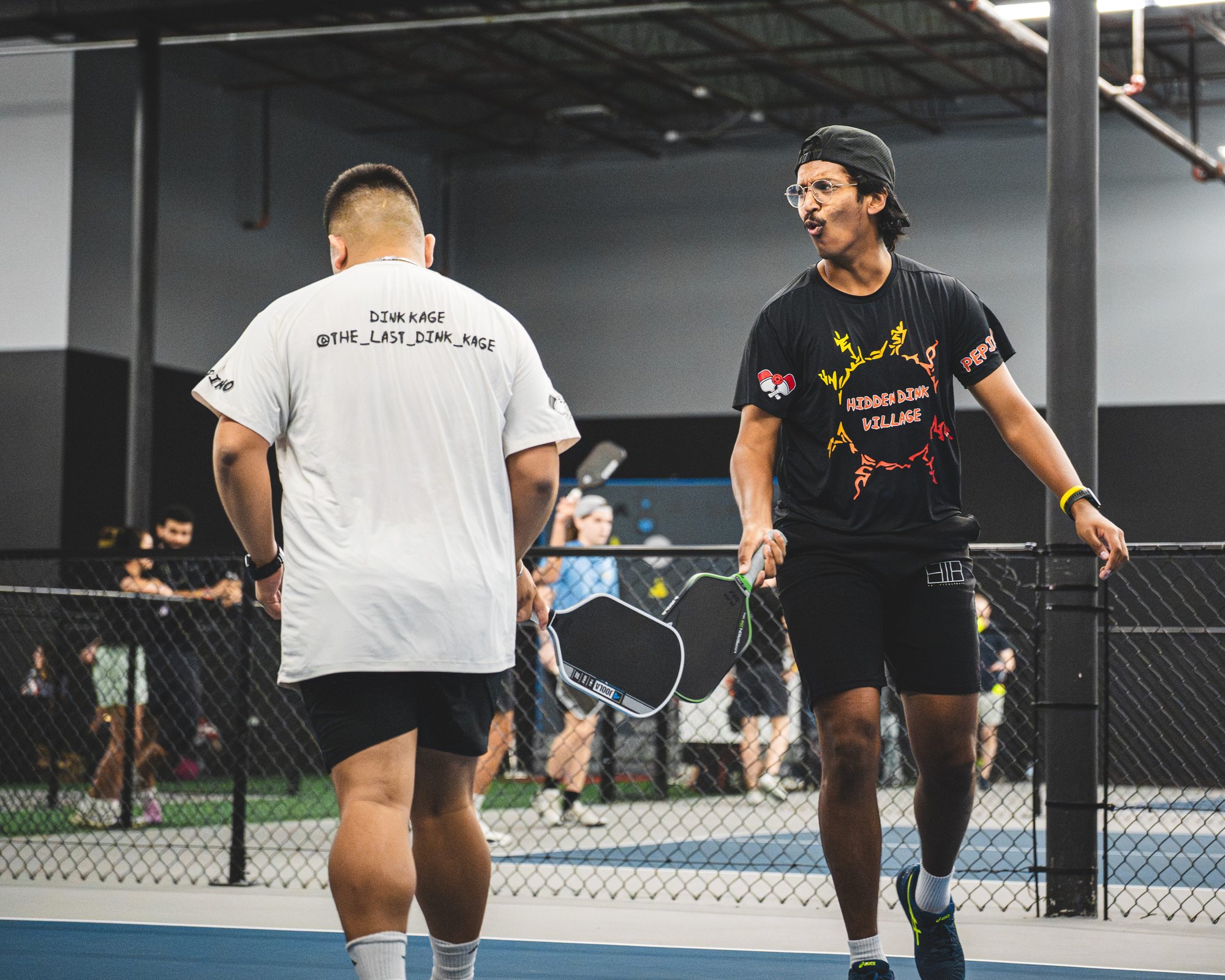
Marketing to reach new players and sustain momentum
A successful schedule doesn’t exist in a vacuum. It lives in conversations with your community and the digital channels that help people discover Era Pickleball pickleball classes. Your marketing should reflect a human voice, a sense of belonging, and clarity about the benefits of learning the sport. People don’t just crave technique; they want a path that feels welcoming and achievable.
Start with a straightforward landing page on erapickleball.com that explains what a class is like, who it’s for, and how to enroll. The page should feature a short video, a concise FAQ, and a calendar that shows upcoming sessions. Use social proof—short testimonials from players who began with beginner classes and found joy in the game. Photos of real participants enjoying drills, smiling after matches, and listening to a coach can make the program tangible.
Partnerships matter. Work with local schools, community centers, and fitness studios that align with your values. A simple cross-promotion, such as offering a one-hour intro clinic during a wellness fair, can unlock a stream of interested players who would not have discovered Era Pickleball otherwise. Referrals from partners can be a reliable engine for growth because they come with a built-in trust factor.
Tracking progress and adjusting
As you implement new classes, you must measure both engagement and learning outcomes. Attendance is the obvious metric, but it is not enough on its own. You want to track progression—whether players advance to the next level, how consistently they attend, and how much time they spend practicing outside of class. If you notice a stagnation in a particular cohort, you might reframe the drills, adjust the pace, or offer an additional mini-session each week that targets specific weaknesses.
A simple, practical approach is to maintain a shared learning log for each class. Coaches can jot down notes on a player’s development, a recommended practice routine, and a plan for the next session. Players benefit from having a clear path forward and a sense that their progress is being actively monitored.
Two essential formats you might employ
Beginning players benefit from clarity and rhythm, but you also want to offer variety to keep the experience engaging. Here are two formats that consistently work well in Era Pickleball pickleball training programs, each with its own flavor and audience appeal.
- A fixed weekly beginner class. This format offers a predictable schedule, an easy entry point for newcomers, and a community feel as players see each other week after week. It works well for facilities that want to maximize consistency and build a steady base of players who can progress together.
- A six-week fundamentals track with an optional open play day. The track provides a focused, structured progression, while the open play day gives players a chance to apply what they learned in a more relaxed setting. This hybrid is especially effective for learners who want both guidance and autonomy in their early development.
The edge cases you should prepare for
Not every week will feel perfect, and not every cohort will click with the pace or format. Here are a few edge cases to expect and how to handle them with grace and practicality.
- First-timers who sign up but don’t show up. Have a friendly reminder system and an over-enrollment strategy to fill the space if someone misses. Consider offering a make-up session or a quick 15-minute drop-in to catch up.
- Players with uneven skill distributions in the same class. An effective approach is to group players by self-reported comfort level after a brief assessment. Reassure participants that the class is designed to accommodate varied starting points and that coach feedback will address individual needs.
- Scheduling conflicts during peak work hours. If your target audience includes many professionals, you may need to experiment with early morning or late evening sessions. A flexible policy on switching sessions can reduce churn and keep players engaged without creating chaos in the schedule.
- Weather and facility disruptions. Have a contingency plan that includes indoor backup courts, rain checks, or rescheduled sessions within the same week. An adaptive plan reduces cancellations and keeps the learning thread intact.
A practical week-by-week example of a four-week beginner pathway
Week 1 sets the baseline. We create a comfortable space, demonstrate the grip, stance, and basic forehand, and introduce a simple rally with a partner. Players leave with a clear set of simple drills and a plan for practice between sessions.
Week 2 builds confidence. We add backhand, footwork patterns, and the idea of keeping the paddle low. We incorporate a short rally game that emphasizes consistency and placement rather than power, helping players experience success early.
Week 3 brings decision making. We discuss shot selection under different court positions. The drills emphasize anticipation and communication. The practice ends with a slightly longer drill set that mimics real game scenarios to cement learning.
Week 4 wraps with rhythm and scoring. We introduce a basic scoring system, teach service return patterns, and run a friendly mini-match. The aim is for every player to feel that they contributed something meaningful to the game and left with a clear plan for continuing their journey.
Insights from the field: what is worth keeping and what to adjust
In my pickleball courts open near me years working under the Era Pickleball umbrella, a few themes have emerged as consistently relevant to scheduling quality. First, players come for community and clarity in equal measure. A schedule that feels fair, predictable, and supportive is essential. Second, practical logistics quietly shape outcomes. The best class times are not the ones that sound ideal in theory but the ones that are reliable when life intrudes. Third, the coaching team needs to align on a shared standard. If you want learners to progress, you must invest in a coaching culture that pays attention to details—especially how feedback is delivered during a session.
The calendar, once it becomes a trusted habit, begins to feed on itself. Regulars start arriving early, their friends tag along, and the pace of interest accelerates. Your job then shifts toward maintaining quality while expanding capacity. This is where the discipline of scheduling becomes the enabler of growth. You will find that the more predictable your cadence, the more your players commit. And with commitment comes improvement and, ultimately, retention.
Conclusion without closure
If you have read this far, you likely sense that the scheduling decision is not simply about occupying time on a calendar. It is about designing an experience that people want to repeat. It is about translating a curriculum into a reliable routine that fits the realities of participants’ lives. It is about creating a space where beginners can try a sport, feel welcome, and walk away with a plan to return.
Era Pickleball pickleball classes exist not as a single moment on a timetable, but as a living system. The most enduring programs are those that treat scheduling as a core craft—one that evolves with the community, respects the coaches, and honors the players who show up with curiosity and energy. If you approach your calendar with curiosity, pragmatism, and a willingness to adjust, you will not only fill a court. You will build a community around a sport that rewards patience, practice, and the simple joy of learning something new.
Two practical checklists to help you implement this in your own facility
-
Class cadence and structure
-
Define your core cadence (weekly, biweekly, or series-based) and align it with facility hours.
-
Decide on a typical class length (60, 75, or 90 minutes) and build buffer time for transitions.
-
Create a beginner track with a clear progression over four to six weeks.
-
Establish a parallel path for ongoing learners who want to deepen their skills.
-
Build a simple, consistent onboarding packet for new players.
-
Operations and optimization
-
Map court availability and equipment needs to the schedule.
-
Establish staffing requirements with a clear coaching ratio for beginners.
-
Create a feedback loop that captures learner progress and informs future sessions.
-
Implement a reliable reminder and make-up policy to minimize no-shows.
-
Monitor pricing and promotions, ensuring transparent value communication.
If you are building or refining Era Pickleball pickleball training or coaching offerings, these considerations are not optional luxuries. They are the scaffolding that supports every class you run. You want a schedule that players can count on, coaches can deliver with confidence, and a facility that runs smoothly enough to let the sport shine.
As you craft your own schedule, remember this: each week you commit to a time slot is an investment in the players who will walk through your doors. The more precise and generous you are about the calendar, the more likely beginners will feel welcome, return visitors will feel seen, and seasoned players will see value in staying engaged. If you do it well, the calendar stops being a barrier and becomes an invitation. An invitation to learn, to connect, and to grow with Era Pickleball at its best.