30 September 2026
Era Pickleball: Court Rentals and Training Spotlight
Presented by @keegannylc635
The sun cuts across the glassy sheen of Era Pickleball’s courts, and for a moment the space feels almost ceremonial—a place where speed, strategy, and stubborn consistency collide. I’ve spent years watching players arrive with big ideas and small mistakes, and then leave with a plan they can actually execute. This is not just about a game played on a padded floor; it’s about a culture that rewards preparation, attention to detail, and the willingness to invest in yourself.
Era Pickleball has grown from a handful of enthusiasts into a full-fledged hub where court rentals and focused training sit side by side. The model works because it respects both the social texture of pickleball and the serious ambitions of serious players. If you’re curious about what it takes to set up the right practice rhythm, or you’re weighing whether to book a court rental at Era Pickleball or to sign up for structured coaching, you’ll find thoughtful answers in the following pages. The underlying truth is simple: you don’t need a flawless plan to get better, but you do need a reliable path.
From the first-time renter who wants a space to try dinking patterns to the veteran chasing a midseason upgrade in footwork, there’s a throughline at Era Pickleball that turns casual visits into steady progress. The center’s facilities are designed with a practical eye. The courts are level, the nets are taut, and the lighting is calibrated to reduce glare at crucial moments. But what seals the value is the people who staff the place—the pros who coach, the staff who keep the gear in order, and the front desk folks who remember your name after a handful of visits. In this piece, I’ll trace what makes Era Pickleball distinctive, from the technical side of court rentals to the human-centered approach to training.
The practical truth is this: a good outside court rental can act as a scaffold for skill development, while a structured training plan can turn repetitive practice into meaningful progress. And Era Pickleball understands both sides. It’s common to see a weekday afternoon with a steady soundtrack of balls popping, voices strategizing, and the occasional victory shout. On Saturdays, the tempo shifts as more players converge, turning the building into a living workshop where you can see a wide spectrum of skills in motion. The space isn’t merely a backdrop; it’s a contributor to how you practice, how you sustain focus, and how you extract lessons from every rally.
What follows blends observations with practical guidance drawn from real sessions, the kind of notes I’ve jotted between drills and conversations with coaches. If you’re evaluating this arena for court rental era pickable, or you’re exploring training options under the era pickleball umbrella, you’ll find concrete details that translate to real outcomes.
A space designed for both solos and groups
One of the first impressions you notice at Era Pickleball is how the facility balances individuality and community. The courts are arranged to permit quick transitions between solo drills and partner-based play without feeling crowded. A typical practice session might begin with a short warm-up near the service line, followed by a sequence of drills that emphasize footwork and shot selection. The design encourages players to rotate in and out with minimal downtime, preserving momentum and focus. You don’t get lost in the logistics; you feel immediately enveloped by a rhythm that’s at once efficient and human.
As you watch more sessions, you’ll notice how the coaches calibrate the tempo to suit different levels. Beginners get a gentler pace, with a lot of emphasis on grip, stance, and consistent contact. Intermediate players receive targeted guidance on dinking strategy and transition offenses, while advanced players are challenged with mixed drills that punish hesitation and reward decisive decision-making. The diversity of the client base creates a subtle cross-pollination; you absorb cues from players who excel in areas you’re still wrestling with. It’s not about copying someone else’s style; it’s about absorbing ideas that can be adapted to your own game.
The case for renting a court as a regular practice space
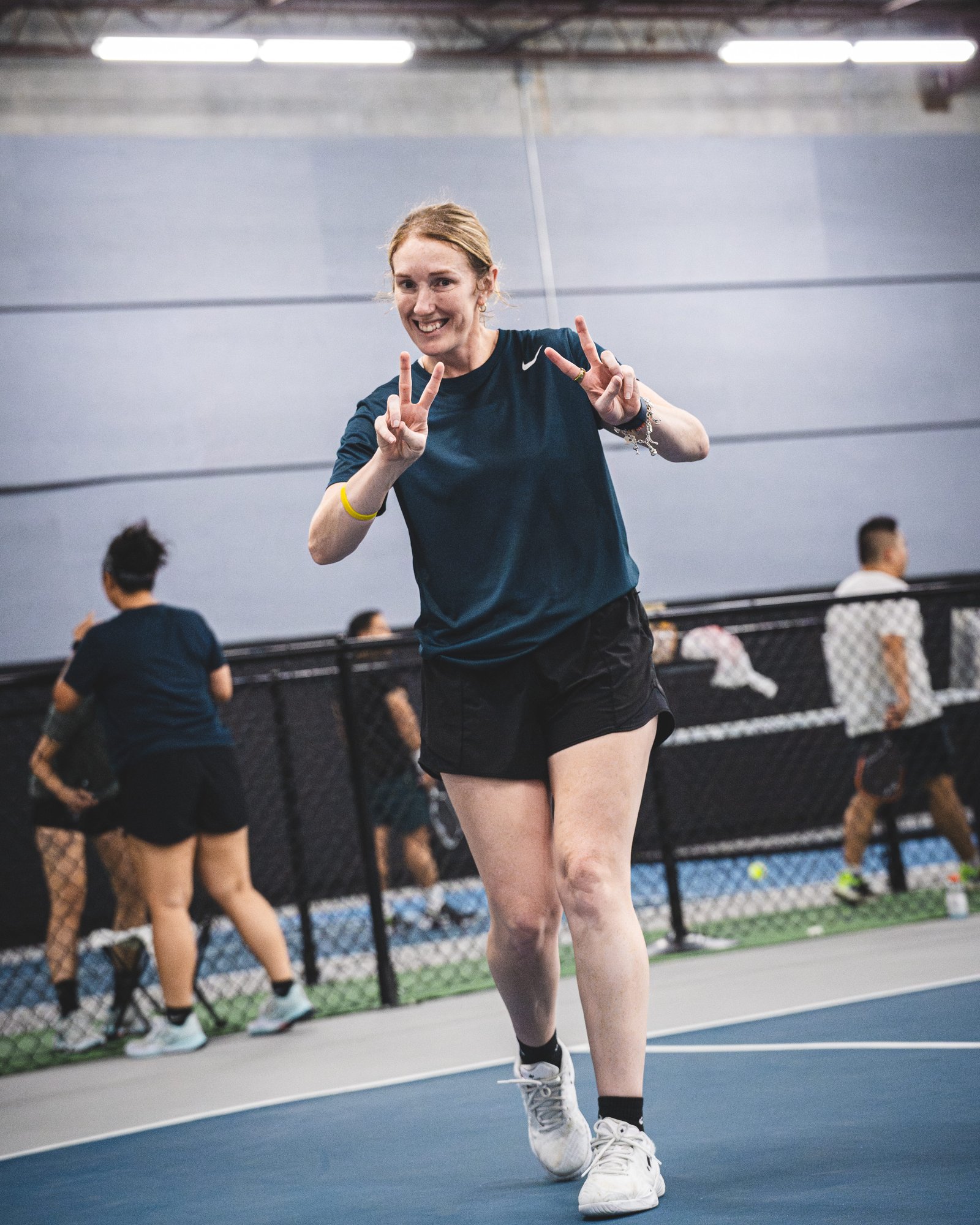
If you’re new to court rental, Era Pickleball offers a predictable, reliable venue that reduces the friction many players feel when searching for a practice home. You don’t need to wait for a spare slot at a municipal gym or settle for a session that doesn’t quite match your schedule. The rental model is structured to be flexible yet dependable. You can book blocks of time that align with your natural energy patterns—early mornings when your shoulders feel loose, or late afternoons after work when your focus is sharp after a routine day. The timing matters less if you know you can count on the surface and the lighting to stay consistent.
A quiet insight from staffers who monitor court wear and tire tread on shoes: a high-traffic court can develop minor scuff patterns that subtly alter ball bounce near the baseline, especially during long sessions. It’s not a fatal flaw, but it’s a reminder that even in a purpose-built space, the details matter. The Era team tends to those micro-adjustments quickly, maintaining a playing field where skill development remains the active variable, not the environment.
Coaching and training as a paired pathway
The era pickleball center isn’t just about space; it’s about the people who show you how to use it. Training programs at Era Pickleball are built around a simple premise: skills need to be practiced with intention, and intention needs feedback. Coaches here bring real-game experience. They don’t rely on generic drill sheets; they tailor adjustments to how you move, how you read opponents, and how you recover after a mistake. You’ll hear coaches talk about weight transfer, paddle angle at contact, and the timing of your split step in ways that feel accessible even when you’re still grappling with the basics.
For players who are serious about progression, this alignment matters. It’s one thing to hit a ball consistently in a drill, another to reproduce the same quality when a real rally starts on a longer point. The best sessions I’ve observed at Era Pickleball blend technical instruction with live-play scenarios that simulate match pressure. You’re practicing not just the shot, but the decision that leads to the shot. A drop shot followed by a quick move to the kitchen line is not just a technique; it’s a tactical choice that changes the shape of the point.
The learning tempo and the social atmosphere interplay in unexpected ways. The coaching staff understands that some players benefit from quick, repetitive cycles, while others thrive on longer, more analytical drills. The sessions are designed to accommodate both preferences without forcing a one-size-fits-all approach. If you’re a data-driven type who loves to quantify improvement, Era’s trainers are comfortable with drills that track your consistency percentages across a series of attempts. If you prefer a more qualitative path, there are plenty of moments that emphasize feel, rhythm, and intuitive reading of the court.
Two paths, one goal: practical improvement
At Era Pickleball, practice and performance aren’t siloed. The center invites players to blend structured training with opportunistic court rentals, a combination that mirrors how most players actually practice in the wild. You might start with a coached session that targets a specific weakness, then slip into a freely rented court to test what you’ve learned against a rotating cast of partners and passersby. The flow is fluid enough to feel effortless, yet it’s rooted in a disciplined understanding of what makes practice meaningful.
What does this look like in everyday terms? You arrive with a plan, but you remain flexible enough to abandon a drill if your body signals fatigue or if your focus wobbles. You schedule a session to work on a particular shot, but you stay open to adjustments that emerge from a real-time exchange with a partner. The center supports this level of nuance—an environment where you’re encouraged to push a little harder one day and step back the next, depending on how you feel and what your goals demand.
Two lists to anchor practical decisions
Tips for renting a court at Era Pickleball
- Book blocks that align with your energy peak, usually mid-morning or late afternoon.
- Confirm the court surface and lighting specifics before you arrive to avoid surprises.
- Bring shoes with non-marking soles and a spare paddle just in case you want to switch grip style.
- Arrive early for a brief warm-up that focuses on footwork and balance rather than power.
- Use a tiny notebook or app entry to log what you practiced and what felt off for future sessions.
Membership perks that can shift your trajectory
- Access to a preferred court booking window, making it easier to lock in consistent practice times.
- Discounts on coaching packages and clinics, which accelerates progress without breaking the budget.
- Priority registration for high-demand clinics when new sessions open up.
- A structured progression plan that tracks key metrics and lays out next steps.
- Quick-access gear checkouts, so you can test different paddles and grips without extra friction.
The nuanced reality of edge cases
Not every hour is equally productive, and not every coaching style suits every player. There are days when a drill that usually lands cleanly will feel off due to a minor fatigue pattern, a change in weather, or a subtle shift in foot speed. It’s worth acknowledging these moments because they reveal a broader truth: improvement isn’t linear. You will have days when your timing returns from a setback with surprising clarity, and other days when a small adjustment seems to unlock a new level of control. Era Pickleball’s staff understands this dynamic. They encourage you to document those fluctuations and use them to calibrate your practice plan.
The practical implications of this approach extend beyond the court. When you’re deciding how to structure your week, you may find that a dedicated coaching block paired with two lighter rental sessions creates the most sustainable progress. In some weeks, you’ll want to invest more time in footwork and core stability, especially if you’re balancing pickleball with other activities or sports. In others, you’ll lean into strategic play sessions that build your confidence in serving patterns, returning versatility, and the ability to maneuver opponents who try to pin you behind the baseline.
A quiet note on equipment and maintenance
Era Pickleball’s gear is kept in decent condition, and the staff’s approach to maintenance is practical rather than flashy. You’ll see the basics—paddles in good shape, clean balls, and nets that stay taut through most rallies. The question you often don’t ask aloud is how to extend the life of your equipment in a high-usage facility. The simplest answer is to treat your paddles like precision instruments. Don’t smash them into the floor during a tense exchange, and try not to slam a paddle into the net post in frustration. It sounds obvious, but it’s easy to get caught up in the heat of a long point. A little restraint can save you from a cracked face or a warped edge, and that translates into steadier touch on the next drill you take on.
Real-world experiences drawn from training and rental cycles
I’ve watched players who came to Era Pickleball with a specific goal—improving their third shot drop, say—work through a deliberate sequence of practice sessions, then begin to see meaningful changes in their match play. The third shot drop is a deceptively subtle skill. It demands not only precise paddle control but also keen anticipation of how your opponent will react to a conservative shot that can tilt the rally in your favor. The best learners I’ve seen approach this in stages: a technical drill to ingrain contact, a rhythm drill to smooth tempo, and finally a live scenario where the distance to pickleball near me the non-volley zone becomes a variable that you learn to manage under pressure.
Coaching staff at Era Pickleball often circle back to core principles that stand the test of time. They emphasize body positioning, the importance of a compact swing, and the utility of a calm, efficient reset after every point. The conceptual frame is straightforward: you want to reduce unnecessary movement while maximizing the effectiveness of every contact. But translating that into concrete adjustments requires a tactful blend of observation, feedback, and practical drills. The coaches are adept at delivering this blend without turning sessions into caricatures of technique lectures. They understand that most players arrive with imperfect symmetry between their upper body and lower body, and they work to align those mechanics gradually.
The social fabric of Era Pickleball
Beyond the drills and the court layouts, there’s a social texture that makes Era Pickleball more than a place to practice. People come for the routine and stay for the conversations—about equipment preferences, about the strategies that work on various surfaces, and about the evolving meta of doubles play. You’ll hear stories of late-night clinics where a single strategy click changes a player’s season, mixed with light banter about weekend tournaments and the inevitable weather excuses for canceled sessions. The environment respects both the seriousness of training and the joy of playing together.
If you’re new to this space, you’ll quickly discover that the onboarding is friendly rather than daunting. The front desk team can help you set up your first block, guide you to a coaching option that matches your level, and point you toward clinics that fit your schedule. There’s a deliberate inclusivity here that makes it easier to ask questions, try new drills, and experiment with different strategies without feeling judged. A lot of the value in Era Pickleball comes from this willingness to meet players where they are and guide them forward without pressure.
The practical path forward
For families, busy professionals, weekend warriors, and competitive amateurs, Era Pickleball offers a dual lane: you can rent a court when you want to train alone or with a partner, and you can join structured training programs that accelerate learning in a predictable, measurable way. The decision often comes down to a simple cost-benefit calculation. If your goal is to embed a consistent practice habit, court rentals plus occasional clinics can deliver a robust return on investment because you control tempo and frequency. If you’re chasing rapid, targeted improvements in a few weeks before a tournament, a coaching-intensive track may be the smarter route. In many cases, players choose a mix: steady court rentals to keep the muscle memory fresh and periodic coaching bursts to reframe technique and strategy.
The bigger picture perspective
Era Pickleball sits at an interesting intersection of sport, community, and small business. It’s not just about selling hours on a court or pennies for a coaching session. It’s about building a reliable ecosystem that helps players translate practice into competitive confidence. The center’s footprint is not merely physical; it’s procedural and cultural. The staff’s willingness to adapt to the needs of the players, the coaches’ commitment to clear feedback, and the overall design of the booking and training system create a virtuous loop. The result is a facility that feels less transactional and more like a proving ground where people come to improve with intent.
If you’re considering Era Pickleball as your training hub, take a practical approach. Start by booking a short block to get a sense of the court quality, the staff’s responsiveness, and the rhythm of coaching sessions you’re drawn to. Observe how often you feel energized after a session and how quickly you recall the details of what you practiced. Track your progress not just in wins or shot accuracy, but in how well you can transfer a drill into an actual rally under pressure. The most meaningful improvement tends to arrive when you weave together the right practice structure with real-game experience.
A closing thought in a crowded rack of ideas
There’s a quiet, stubborn elegance to Era Pickleball that I’ve learned to respect. The center doesn’t promise miracles; it offers a reliable framework in which you can train, reflect, and adapt. It’s a place where the mundane routines of practice become the building blocks for consistent improvement, and where the social fabric of players, coaches, and staff turn a facility into a community. For anyone who loves pickleball enough to want to get better at it, that combination matters more than the latest technique trend or the flashiest equipment. It’s about sustaining a path that makes sense for you, week after week, season after season.
If you’re ready to explore, start with a court rental to test your routine in a space built for clarity and pace. Then consider how coaching or clinics could accelerate that routine into a repeatable, scalable practice. Era Pickleball isn’t a one-off experience; it’s a practical partner in your ongoing journey to become the player you aim to be. The details matter, but the core promise is simple: better practice, better results, and a lot of good days on the court.